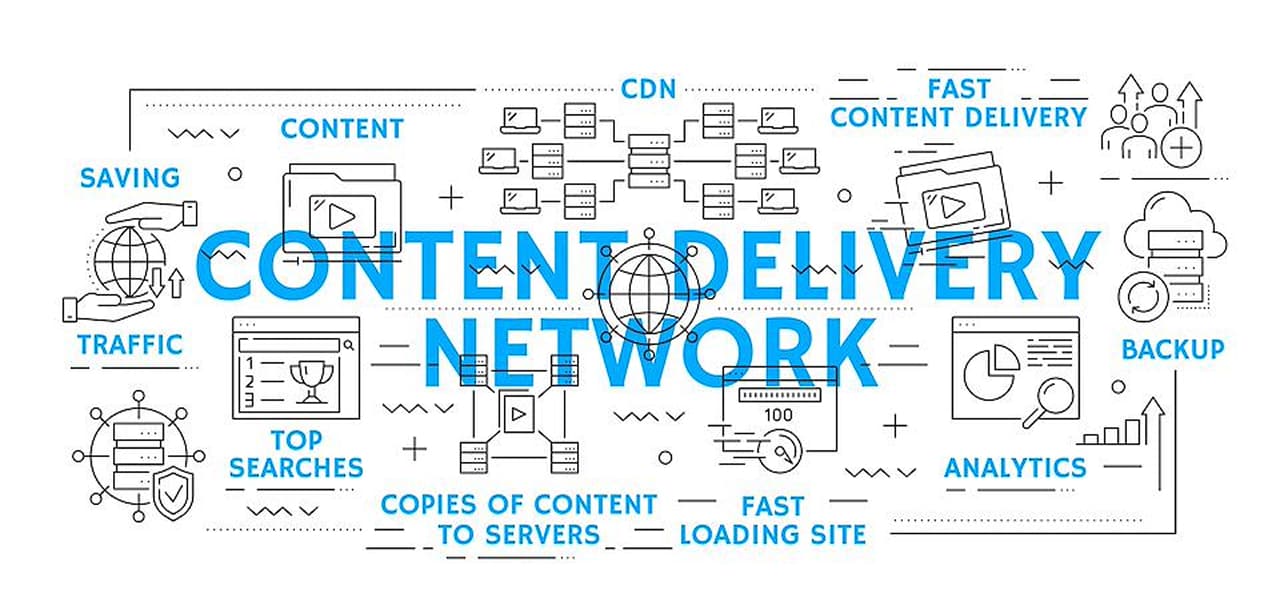

Google FastSearch is redefining how users interact with search results, shifting the focus from traditional keyword matching to intent-driven discovery. As search evolves, businesses must adapt their SEO strategies to align with how Google FastSearch interprets content, context, and user behavior. Understanding this shift is no longer optional—it’s essential for staying competitive in modern search.
If you’re a business owner or marketer, here’s the simplest way to understand what FastSearch means — and how it affects your online visibility.
What Exactly Is Google FastSearch?
Think of FastSearch as a shortcut version of Google Search.
- Regular Google Search scans millions of pages to find the best answer.
- FastSearch scans a smaller, more relevant set of pages so it can respond more quickly — especially when powering AI tools.
Google uses FastSearch mainly to support AI-driven features, where speed is crucial. AI systems need information instantly so they can generate summaries, answers, and recommendations in real time. FastSearch helps them do that.
A Simple Example
Imagine you’re at a huge library looking for one fact.
- Traditional Google Search is like checking every aisle.
- FastSearch is like going straight to the “Top Picks” shelf where the most reliable books are already gathered.
It’s the same idea — but faster.
[call_to_action title=”Stuck with Digital Marketing? We’ll Fix That.” text=”Work with a team that knows what works—and what doesn’t.”]
Why Google FastSearch Matters for Your Website
Even though it works behind the scenes, FastSearch affects which websites Google and AI tools choose to pull information from.
Here’s what that means for you:
-
Only the Most Clear, Well-Structured Content Gets Picked Quickly
FastSearch looks for pages that are easy to read, easy to understand, and organized well.
If your content is messy or overloaded, AI tools might skip it.
-
Speed Matters More Than Ever
If your website loads slowly, Google may avoid using it in fast-response systems.
FastSearch prioritizes sites that load quickly on mobile and desktop.
-
Your Content Must Be Straight to the Point
Because FastSearch works with fewer documents, you want your pages to be:
- Focused
- Relevant
- Simple to understand
Long, confusing pages can get ignored.
-
AI Visibility Is Becoming Just as Important as Google Ranking
FastSearch helps power AI tools like:
- Gemini (Google’s AI)
- Chat-based search assistants
- Smart summaries and instant answers
If your website is chosen for those answers, you get high visibility — even without a traditional “rank.”
[call_to_action2 title=”Start Getting Better ROI—Today” text=”Let’s build campaigns that actually convert.”]
How to Prepare Your Website for Google FastSearch
The good news? You don’t need to be a tech expert.
Here are simple steps you can take today:
-
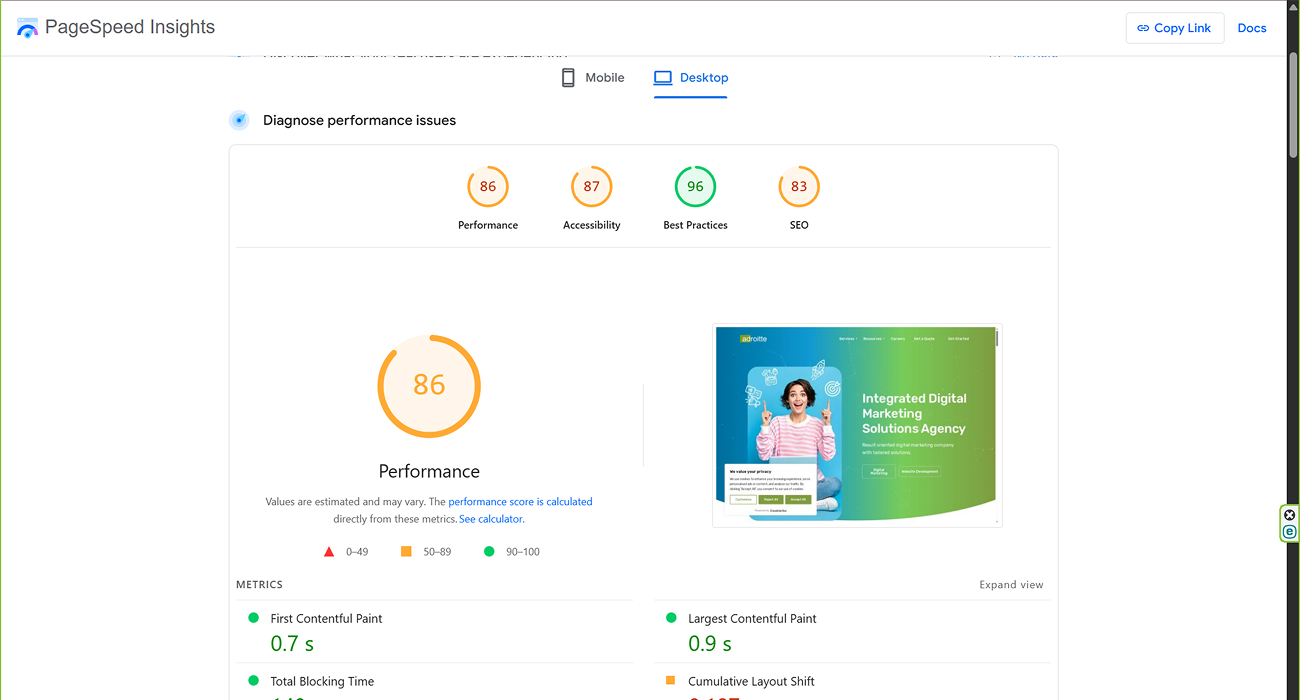
Improve Your Website Speed
A fast website is non-negotiable now.
Use tools like PageSpeed Insights to check performance.
-
Write Clearly and Avoid Fluff
AI favours content that:
- Answers questions directly
- Uses short paragraphs
- Has clear headings
- Gives useful information quickly
-
Break Your Pages Into Easy Sections
Use:
- Short sentences
- Bullet points
- Subheadings
- Summaries
This helps Google understand your content faster.
-
Make Sure Your Website Is Mobile-Friendly
Most searches now happen on phones.
If your mobile version is slow or hard to read, your visibility drops. As Google FastSearch continues to evolve, content relevance and intent matching are becoming more critical than ever.
-
Keep Content Updated
Fresh and accurate content makes your website more trustworthy, which is important for FastSearch and AI tools.
What FastSearch Means for the Future of SEO
FastSearch signals a shift.
In the next few years:
- AI will deliver more answers directly to users.
- Search engines will rely more on fast, well-structured sources.
- Websites that provide clear value will get chosen more often.
The goal is no longer just “rank on page one.”
It’s “be the website Google trusts enough to pull into instant answers.”
As search continues to evolve, Google FastSearch will play a central role in shaping how content is ranked and discovered. Websites that prioritize clarity, relevance, and user intent will be better positioned to benefit from this shift. By aligning your SEO strategy with Google FastSearch, you’re not just optimizing for today—you’re future-proofing your visibility in an increasingly intelligent search ecosystem.
Want your website to stay competitive in the FastSearch era? Reach out through our contact form and we’ll get back to you promptly. Let’s optimize your site for speed, structure, and search intent so you remain visible and relevant as Google’s search experience continues to evolve.