
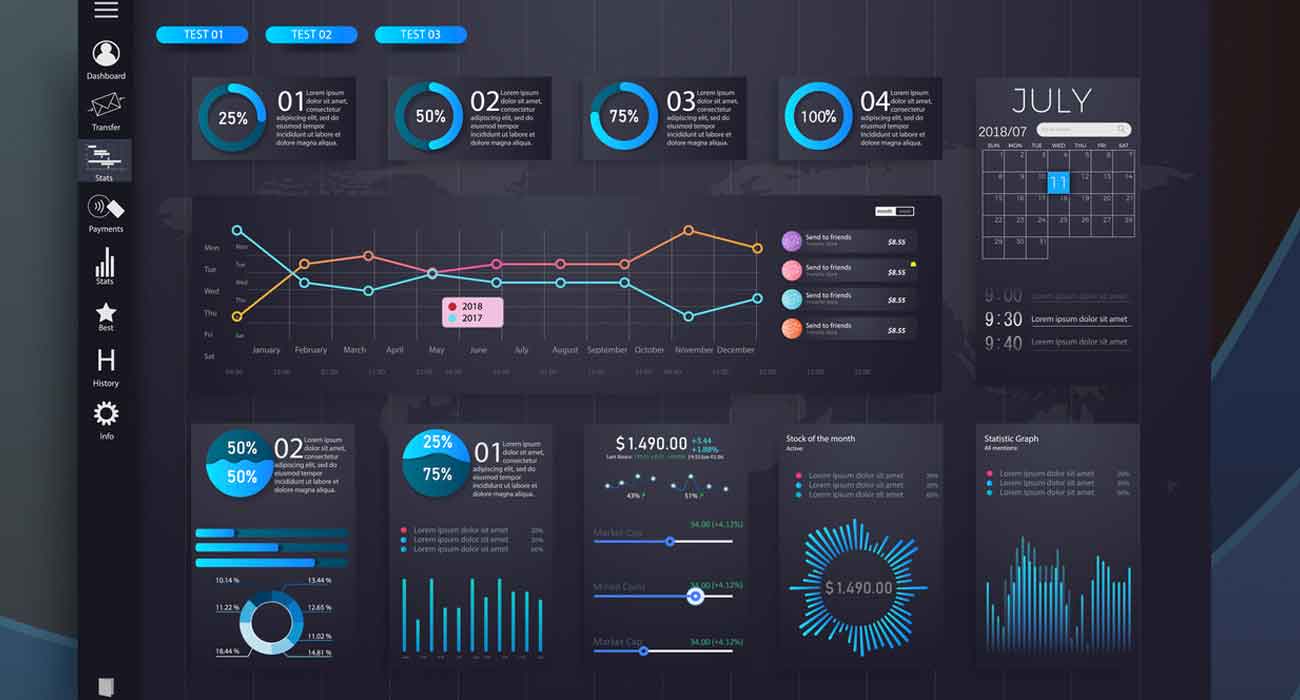
Website design for performance is essential for delivering fast, seamless user experiences in today’s speed-driven digital landscape.
A visually stunning website means little if it takes too long to load. In today’s competitive digital landscape, speed is just as important as aesthetics.
Visitors expect fast, seamless browsing, and when those expectations aren’t met, they leave.
That’s why performance-driven website design has become a core strategy for businesses that want to deliver exceptional user experiences, increase conversions, and improve their search rankings.
Performance-oriented design ensures that every element—from images and animations to navigation and backend processes—works together to create a website that looks great and loads quickly.
The payoff is clear: higher engagement, stronger trust, and better business outcomes.
How Page Load Time Impacts User Engagement and Conversions
Speed is one of the most critical factors influencing user behavior. Research consistently shows that even a one-second delay in page load time can significantly reduce conversions and increase bounce rates.
- User patience is short – Most visitors expect a page to load within two to three seconds. Anything longer often leads to frustration and abandonment.
- Conversions are time-sensitive – For e-commerce sites, slow pages can mean abandoned carts and lost sales. A fast checkout process, by contrast, reduces friction and encourages repeat purchases.
- Engagement drops with lag – Websites that load slowly discourage users from exploring deeper. Quick, responsive pages encourage them to browse longer, boosting opportunities for interaction.
Simply put, speed directly affects customer satisfaction. A fast website communicates professionalism and reliability, while a sluggish one erodes trust before the user even engages with your content.
[call_to_action title=”Professional Design. Real Business Impact.” text=”Our websites help you stand out—and sell more.”]
Design Techniques That Balance Visuals With Site Speed
One of the biggest challenges in website design is finding the right balance between rich visuals and fast performance.
Too often, businesses overload sites with heavy graphics, animations, and videos, only to see their performance suffer.
Smart design techniques solve this problem by optimizing visuals without compromising aesthetics.
Modern website design for performance focuses on reducing load times and improving responsiveness.
Image Optimization
Large image files are a common culprit behind slow load times. Compressing images, using next-gen formats like WebP, and applying lazy loading techniques can significantly reduce load times while maintaining quality.
Minimalist Layouts
Clean, minimalist designs not only look modern but also reduce the amount of code and assets required to render a page. This keeps the website fast and uncluttered. A strong website design for performance strategy directly impacts user engagement and retention.
Efficient Code and Frameworks
Streamlined coding practices, optimized CSS and JavaScript, and lightweight frameworks ensure that the backend supports speed as effectively as the frontend does.
Content Delivery Networks (CDNs)
By distributing content across multiple servers worldwide, CDNs allow users to access websites from a server close to their location, reducing latency and speeding up delivery.
Smart Use of Animations
Animations should enhance user experience, not slow it down. Subtle, purposeful animations can make interactions engaging without overloading the system.
Website design for performance is not just about speed—it directly impacts user experience, engagement, and conversions.
Through these techniques, businesses can design websites that are visually compelling while maintaining the speed users demand. Businesses investing in website design for performance see measurable improvements in conversions.
[call_to_action2 title=”Start Getting Better ROI—Today” text=”Let’s build campaigns that actually convert.”]
Why Website Design for Performance Matters for User Experience
Speed isn’t just about user experience—it’s also a major ranking factor in search engine optimization (SEO). Google and other search engines prioritize fast-loading websites because they align with user expectations.
A strong website design for performance ensures faster load times and smoother interactions.
- Core Web Vitals
Google’s Core Web Vitals—metrics like Largest Contentful Paint (LCP), First Input Delay (FID), and Cumulative Layout Shift (CLS)—directly measure how quickly and smoothly a site loads and becomes interactive. Websites that perform well on these metrics enjoy better visibility. - Lower Bounce Rates
Fast websites reduce bounce rates, signaling to search engines that users find value in the site. This improves ranking potential over time. - Mobile-First Indexing
With mobile-first indexing, performance on smartphones is critical. Speed-optimized websites perform better on mobile devices, boosting both SEO and user satisfaction. - Competitive Advantage
In industries where multiple players compete for the same audience, a performance-driven website can be the differentiator that secures higher rankings and greater traffic.
By aligning speed with design, businesses not only enhance the user experience but also strengthen their SEO foundation.
With effective website design for performance, businesses can reduce bounce rates and improve engagement. Optimizing speed through website design for performance improves overall user experience.
Performance and design are no longer separate priorities—they must work hand in hand. A website that looks impressive but loads slowly will struggle to engage users, convert leads, or rank well on search engines.
By focusing on speed optimization—through techniques like image compression, streamlined layouts, efficient coding, and performance-focused design—businesses create digital platforms that serve both users and search engines.
A performance-driven website design doesn’t just attract visitors. It keeps them engaged, builds trust, and encourages repeat interactions, ensuring that the first click turns into a lasting connection.
Ultimately, website design for performance determines how users experience and interact with your website.
Want a website that loads fast and performs flawlessly? Call us at +91 77604 87777 or get in touch via our contact form—we’ll respond promptly. Let’s design a speed-optimized site that enhances user experience, reduces bounce rates, and drives better engagement for your business.
Frequently Asked Questions
Why is website speed important for SEO?
Website speed is a direct ranking factor and affects bounce rates, user satisfaction, and search visibility.