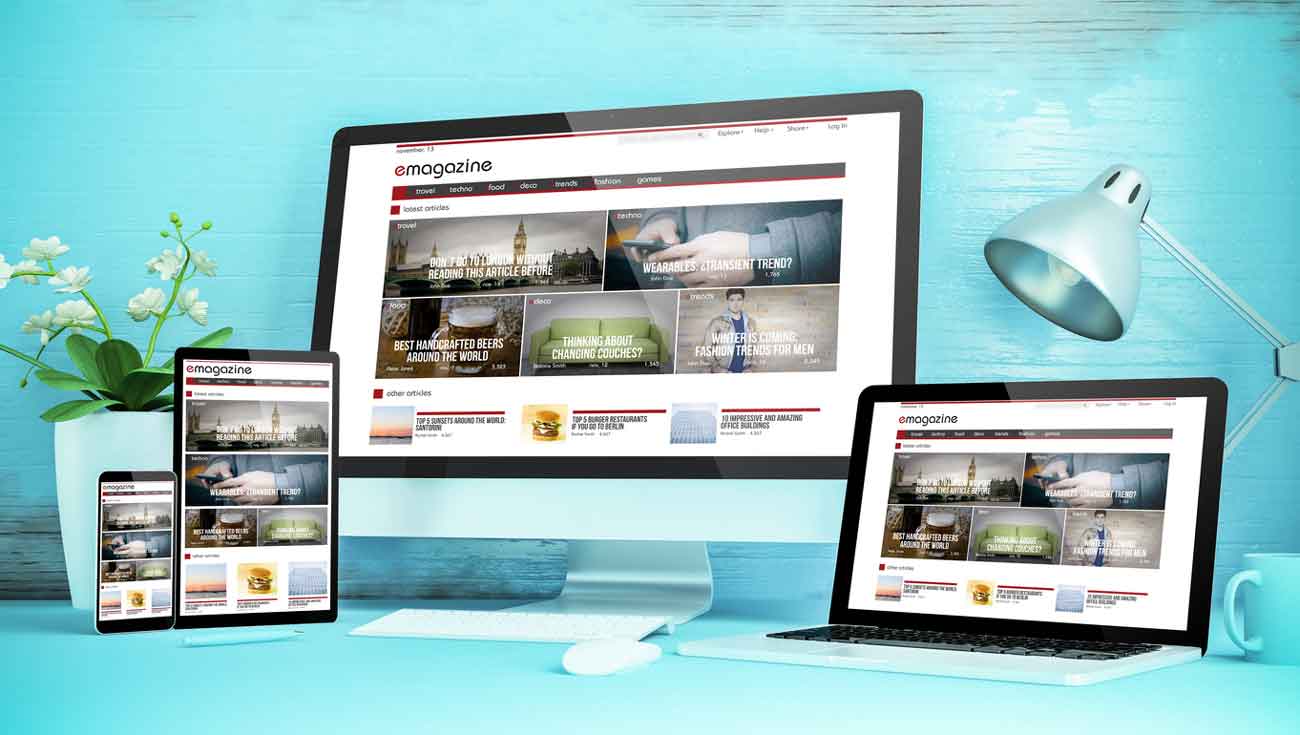

Website design that builds trust is essential for creating strong first impressions in today’s digital-first environment.
A website is often the first point of contact between a business and its audience, and impressions are formed almost instantly—research shows it takes just 50 milliseconds (Google, 2023).
In that brief moment, trust can be built or lost. Effective design goes far beyond aesthetics; it establishes credibility, communicates transparency, and creates an emotional connection.
With the right approach, website design has the power to transform quick visits into lasting client relationships.
Why Visual Consistency Strengthens Credibility
How a unified look improves user confidence in your brand.
Consistency is a core component of trust.
A Stanford Web Credibility study found that 75% of users judge a company’s credibility based on website design.
Modern businesses rely on website design that builds trust to improve conversions and engagement.
Visual consistency—using the same color palette, typography, imagery style, and tone across all pages—signals professionalism and reliability.
When design elements align, users experience your website as cohesive, making navigation easier and brand perception stronger.
Inconsistent visuals, on the other hand, create friction that can lead to doubts about the brand’s reliability.
For example, if a checkout page looks noticeably different from the rest of the site, visitors may worry about security.
By implementing brand guidelines, businesses ensure that every page reinforces their credibility.
This not only improves recognition but also builds the kind of confidence that keeps users engaged and willing to move further down the sales funnel.
[call_to_action title=”Professional Design. Real Business Impact.” text=”Our websites help you stand out—and sell more.”]
Website Design That Builds Trust: Designing for Transparency and Clarity
The role of layouts, typography, and messaging in trust-building.
Transparency in design comes from clarity. Users don’t just want information—they want to understand it quickly and easily.
Visual clarity is a core part of website design that builds trust.
A Nielsen Norman Group study found that users typically read only 20–28% of text on a web page, meaning clarity in design and messaging is essential.
Clean layouts with logical hierarchy guide the user’s eye and reduce confusion.
Typography that is legible across devices ensures accessibility, while concise messaging communicates intent without overwhelming the reader.
Features like clear pricing pages, visible contact information, and easy-to-locate policies (returns, privacy, security) also signal transparency, which is critical in trust-building.
Even subtle design choices—like showing testimonials with real names, security badges at checkout, or case studies with measurable outcomes—reinforce credibility.
By removing ambiguity and presenting information openly, businesses show they have nothing to hide, creating a strong foundation of trust.
Users are more likely to stay on websites that reflect website design that builds trust principles.
[call_to_action2 title=”Start Getting Better ROI—Today” text=”Let’s build campaigns that actually convert.”]
Turning Visitors Into Loyal Clients Through Design
How thoughtful design choices influence long-term relationships.
Trust doesn’t end at the first impression—it grows through every interaction a visitor has with your website.
Design directly influences this journey by shaping the user experience. A positive experience leads to repeat visits, higher engagement, and brand loyalty.
A strong website design that builds trust ensures users feel confident engaging with your brand.
User experience and page quality play a critical role in modern search visibility.
For instance, a smooth and intuitive navigation system keeps users returning because they know they’ll find what they need without frustration.
Personalized experiences, like recommended content or tailored product suggestions, signal that the brand understands its users’ needs.
According to Adobe, 38% of users will stop engaging with a website if the content or layout is unattractive, highlighting how crucial sustained design excellence is.
Trust-focused design also reduces bounce rates and increases conversions.
Features such as clear calls-to-action, frictionless checkout flows, and mobile responsiveness improve user satisfaction, which ultimately drives loyalty.
Consistency plays a major role in website design that builds trust, reinforcing credibility.
Over time, thoughtful design fosters a psychological bond where visitors not only trust the brand but also advocate for it.
A website isn’t just a digital storefront—it’s a website design that builds trust.
Visual consistency builds credibility, transparent design fosters confidence, and user-centered design choices create loyalty.
By investing in trust-focused design, businesses don’t just capture attention; they earn the confidence and long-term commitment of their clients.
In a competitive digital marketplace, that trust can make the difference between a one-time visitor and a lifelong customer.
Want to make a lasting first impression online? Call us at +91 77604 87777 or reach out via our contact form—we’ll respond promptly.
Let’s design a trust-focused website that builds credibility, engages visitors, and strengthens your brand from the very first click.