
Website design for credibility is a critical factor in how users perceive your brand online. A strong website design for credibility helps establish trust, improve engagement, and influence user decisions from the first interaction.
A website often serves as the first interaction between a business and its potential customers. Before reading a single line of text, users form opinions based on what they see—the colors, the layout, the typography, and the overall design quality. That’s why website design is so critical for building credibility. A polished, professional website signals reliability and creates the trust necessary for users to take the next step, whether that’s making a purchase, booking a service, or reaching out for more information.
In competitive digital spaces, credibility isn’t optional—it’s a deciding factor that shapes how customers perceive your brand.
Why Website Design for Credibility Matters in Modern UX
Studies show that users form an impression of a website within seconds. If the design looks outdated, cluttered, or inconsistent, trust can evaporate before the content has a chance to persuade.
Strong first impressions come from:
- Consistent branding: A cohesive use of logos, colors, and fonts conveys professionalism and attention to detail.
- Clean layouts: Simple, organized structures make information easy to scan and navigate.
- Fast loading speeds: Performance is part of perception. A slow site can frustrate users and reduce confidence.
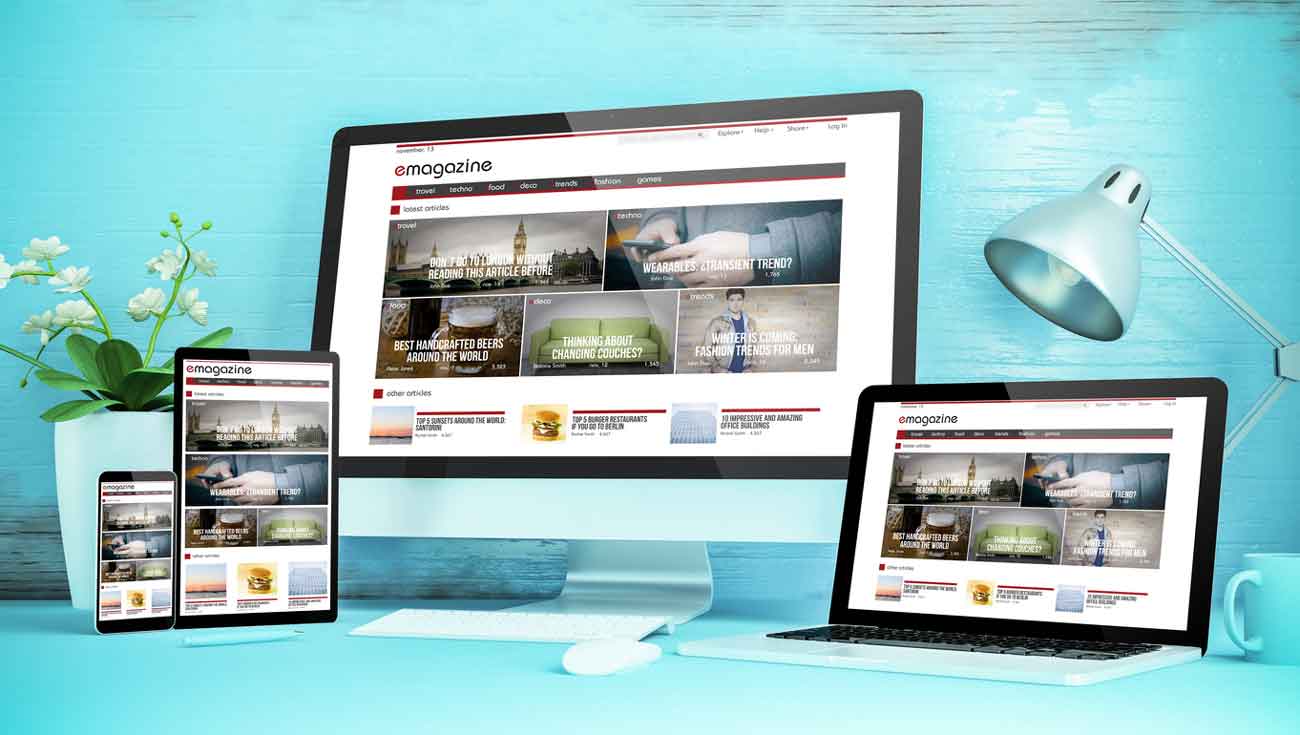
- Mobile responsiveness: With most browsing happening on mobile, a design that adapts to all devices is critical for credibility.
When visitors land on a site that feels modern, intuitive, and reliable, they’re more likely to trust the brand behind it.
[call_to_action title=”Professional Design. Real Business Impact.” text=”Our websites help you stand out—and sell more.”]
Design Elements That Strengthen Brand Reliability
Credibility goes beyond the first impression—it’s reinforced by the design choices woven throughout the user experience. Each element plays a role in communicating reliability.
- Typography: Professional, legible fonts make a site easier to read and more authoritative. Inconsistent or overly decorative typefaces can feel untrustworthy.
- Color psychology: Colors influence emotions and trust. For example, blue often conveys security and reliability, while green suggests growth and balance.
- Imagery and visuals: High-quality images, icons, and graphics communicate professionalism, while low-resolution visuals damage credibility.
- Consistency across pages: From product pages to contact forms, maintaining design consistency reassures users that the business is organized and dependable.
- Trust signals: Certifications, testimonials, case studies, and secure payment icons give visitors tangible proof that they can trust the brand.
Together, these elements create a visual identity that reinforces brand values and builds confidence at every touchpoint.
[call_to_action2 title=”Start Getting Better ROI—Today” text=”Let’s build campaigns that actually convert.”]
Why Website Design for Credibility Matters for User Trust
While trust is essential, it must also lead to action. Strategic website design uses credibility to guide users smoothly toward conversions.
- Clear calls-to-action (CTAs): Buttons and links should stand out visually without feeling pushy, encouraging users to take the next step confidently.
- Logical user flow: Layouts should lead users naturally from one section to the next, building trust and interest along the way.
- Minimal distractions: A clutter-free design ensures users focus on key actions, such as filling out a form or completing a purchase.
- Transparency in design: Prominent contact information, straightforward pricing, and clear policies reduce hesitation and build assurance.
When credibility is paired with thoughtful user experience design, trust transforms into measurable results—higher engagement, stronger customer relationships, and increased conversions. Effective website design for credibility ensures users feel confident navigating your site.
Credibility is not built with words alone; it begins with visuals, structure, and design consistency. Website design acts as the foundation of trust by creating strong first impressions, reinforcing brand reliability, and guiding users toward confident decisions. Brands that prioritize website design for credibility often experience higher conversion rates.
In an online environment where skepticism is common, businesses can stand out by prioritizing design that communicates professionalism, transparency, and care. When trust is woven into every aspect of the website’s visual identity, it doesn’t just attract users—it turns them into loyal customers. Consistency plays a major role in website design for credibility, reinforcing trust across all pages.
Ultimately, website design for credibility determines how users perceive and trust your brand. Investing in website design for credibility is essential for long-term engagement and conversion success.
Ready to strengthen trust from the very first click? Reach out through our contact form and we’ll respond promptly. Let’s design a credibility-focused website that reinforces your visual identity, builds confidence, and turns visitors into long-term customers.