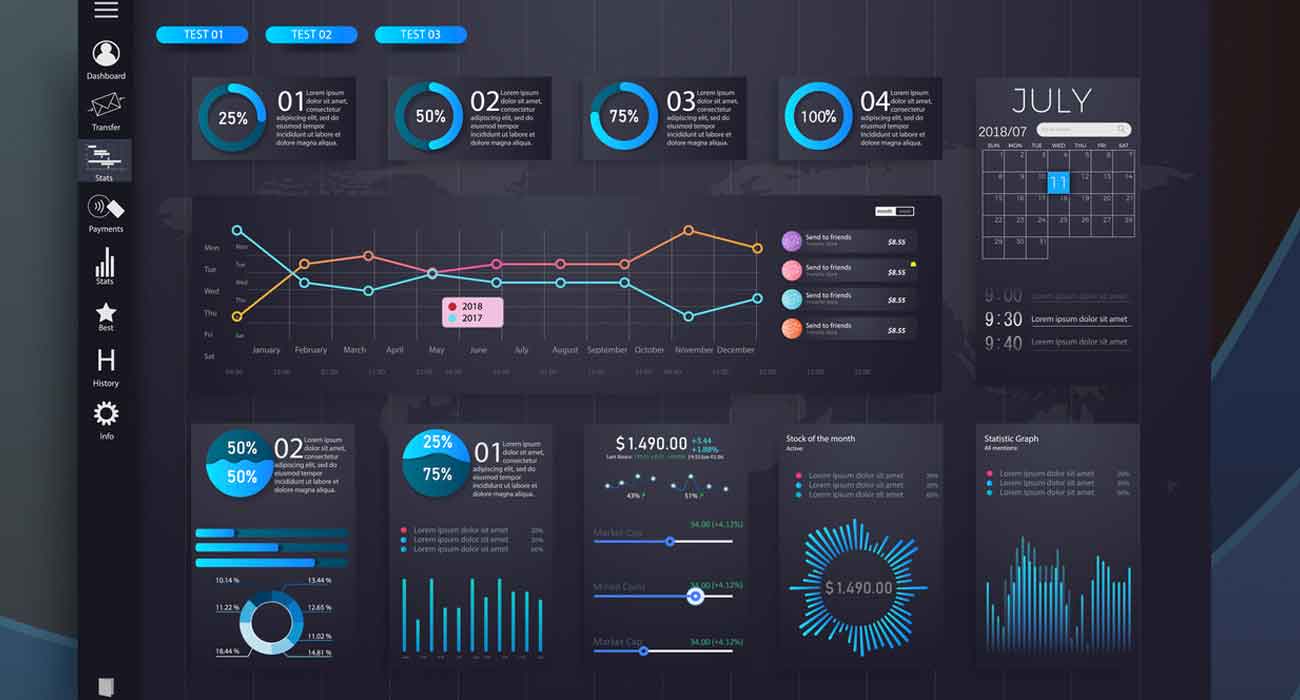
UX and visual appeal in website design must work together to create experiences that are both engaging and easy to use.
When it comes to website design, finding the perfect balance between user experience (UX) and visual appeal is crucial. Balancing UX and visual appeal in website design enhances overall digital experiences.
A website that is visually stunning but difficult to navigate can frustrate users, while a website that is functional but lacks aesthetic appeal may fail to capture their attention.
Effective ux and visual appeal in website design help businesses improve user engagement and digital accessibility. This delicate balance between form and function is what defines functional beauty in website design.
By prioritizing both the user experience and the visual design of a website, designers can create a seamless and engaging online experience for visitors.
Design That Works: When Aesthetics Support Navigation
Design is often seen as something that is purely aesthetic, meant to make things look nice but not necessarily functional. However, when it comes to creating effective navigation systems, beautiful design can actually enhance usability rather than hinder it.
When users are presented with a visually pleasing interface, they are more likely to engage with the content and explore different features. By incorporating elements like clear typography, strategic use of color, and intuitive layout, designers can create a seamless user experience that guides users through the interface effortlessly. This not only makes the design more engaging but also supports users in finding the information they need quickly and efficiently.
Professional Design. Real Business Impact.
Our websites help you stand out—and sell more.
Get StartedIncorporating beautiful design into navigation systems can also help create a sense of trust and credibility with users. When a website or app looks polished and well-designed, users are more likely to perceive it as professional and reliable. This can enhance the overall user experience and leave a positive impression on users, increasing the likelihood of them returning in the future. Effective UX and visual appeal in website design ensure users can navigate seamlessly without confusion.
- Beautiful design can enhance user experience by making navigation more intuitive and enjoyable.
- When aesthetics support navigation, users are more likely to engage with the website or app for longer periods of time.
- Clear, visually appealing design elements can help users easily find what they are looking for and complete tasks efficiently.
- Thoughtfully designed layouts and color schemes can guide users through the site or app, leading to a more seamless and satisfying experience.
Why ‘Minimalist’ Doesn’t Mean ‘Empty: Why UX and Visual Appeal in Website Design Matter
The term “minimalist” often conjures up images of empty spaces and stark design. However, in modern design trends, minimalist doesn’t necessarily mean empty. Instead, minimalist design focuses on simplicity, functionality, and intentional use of space. It’s about stripping away the unnecessary elements to highlight what truly matters. Minimalist approaches in UX and visual appeal in website design help reduce clutter while improving usability
Modern minimalist trends still deliver rich user experiences by focusing on clean lines, subtle textures, and careful attention to detail.
Strong UX and visual appeal in website design improve user retention.
By using a limited color palette and prioritizing negative space, minimalist designs create a sense of calm and clarity for the user. This allows for easier navigation and a more enjoyable overall experience.
In addition, minimalist design can also incorporate interactive elements to engage users and create a more dynamic experience. By using animations, transitions, and other interactive features sparingly, designers can add depth and interest to an otherwise simple design.
The Metrics of Good Design: Measuring Engagement Beyond Looks
Good design goes beyond just aesthetics; it can also have a significant impact on key performance indicators (KPIs) like time-on-site, click-through rates, and conversion rates. By focusing on metrics like these, designers can measure the effectiveness of their work and make data-driven decisions to improve engagement.
For example, a well-designed website with intuitive navigation and clear calls-to-action can lead to longer time-on-site and higher conversion rates.
Similarly, a visually appealing email newsletter with a compelling design can increase click-through rates and drive more traffic to a website. User experience directly influences how visitors interact with and navigate modern websites.
Measuring UX and visual appeal in website design goes beyond aesthetics to include engagement and usability metrics.
By tying design to these KPIs, designers can demonstrate the value of their work and show how good design can have a tangible impact on business outcomes. Ultimately, by measuring engagement beyond just looks, designers can create more effective and successful designs that drive real results.
UX and Visual Appeal in Website Design determine how users interact with and perceive your website.
Looking to create a website that’s both stunning and seamless to use? Call us at +91 77604 87777 or reach out through our contact form—we’ll get back to you soon. Let’s strike the perfect balance between visual appeal and user experience to design a site that captivates and converts.